 Dependence
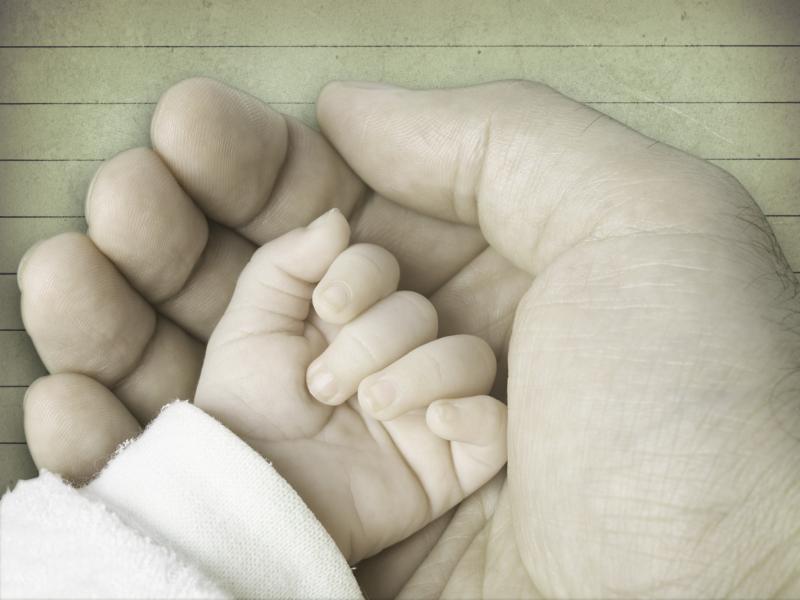
is the disposition of a child to a parent. The more helpless a child
is, the more dependent they are for care, protection, support and
guidance. Children are claimed on US taxes as 'dependents' because
their parents are responsible for their well being while they are in the
home. As children grow, they experience more and more independence or
self-governance. America declared it's independence from England
through a revolt, war and legislation. Christ followers must keep in
mind that in the Kingdom of God, we as the Father's children, make a declaration of DEPENDENCE on Him! He is the One on whom we rely, whose guidance controls our actions and in whom we trust for our financial support. God is after your dependence on Him!
Dependence
is the disposition of a child to a parent. The more helpless a child
is, the more dependent they are for care, protection, support and
guidance. Children are claimed on US taxes as 'dependents' because
their parents are responsible for their well being while they are in the
home. As children grow, they experience more and more independence or
self-governance. America declared it's independence from England
through a revolt, war and legislation. Christ followers must keep in
mind that in the Kingdom of God, we as the Father's children, make a declaration of DEPENDENCE on Him! He is the One on whom we rely, whose guidance controls our actions and in whom we trust for our financial support. God is after your dependence on Him!
Jesus said, "I am the 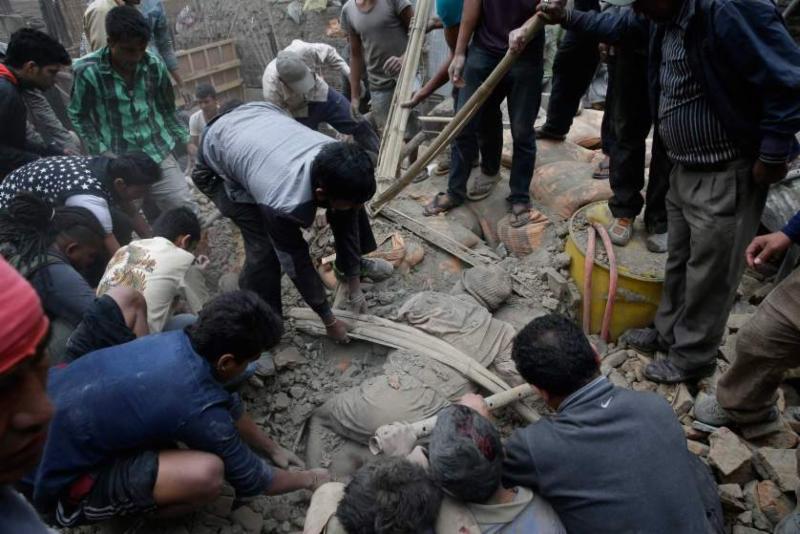 vine, you are the branches, Whoever abides in me and I in him, he it is that bears much fruit, for apart from me you can do nothing." John
15:5 ESV We give mental assent to this fact, and express it glibly to
others, but we don't experience the reality of our dependence until the
vulnerability and powerlessness of times like these befalls us with:
riots, earthquakes, tornadoes, financial and political crises, health
issues and other circumstances beyond our control.
vine, you are the branches, Whoever abides in me and I in him, he it is that bears much fruit, for apart from me you can do nothing." John
15:5 ESV We give mental assent to this fact, and express it glibly to
others, but we don't experience the reality of our dependence until the
vulnerability and powerlessness of times like these befalls us with:
riots, earthquakes, tornadoes, financial and political crises, health
issues and other circumstances beyond our control.
It is hard to admit that we would really prefer to handle things ourselves: to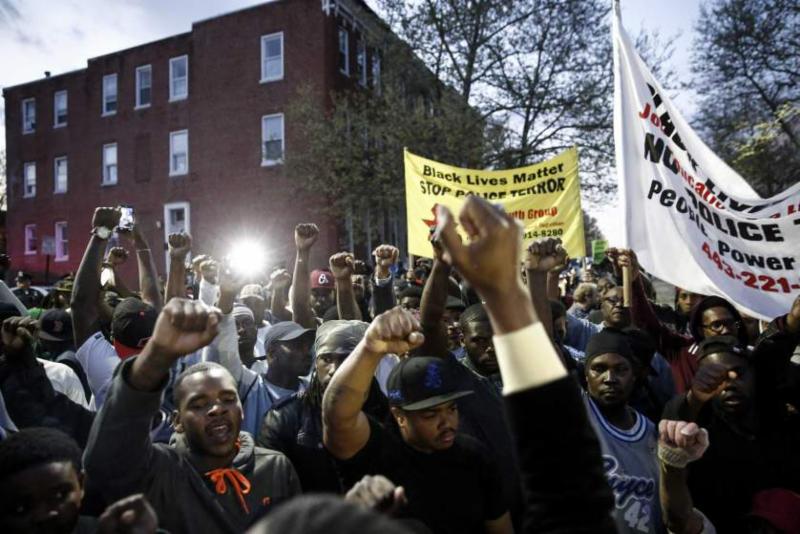 know all the answers, to be invincible, immortal and never vulnerable. We'd
like to think that our much speaking, posting, protesting, or the
security measures we take, and the money we have in the bank will
preserve us from any trouble. Deep down, we know we are ultimately dependent on God's mercy, grace, sovereignty and timing, and that can be either really scary or really comforting. In his time of crisis, Paul clung to his unreliability and his need for God. For we do not want you to be ignorant, brothers, of the affliction we experienced in Asia. For we were so utterly burdened beyond our strength that we despaired of life itself. Indeed, we felt that we had received the sentence of death. But that was to make us rely not on ourselves, but on God who raises the dead. (1 Corinthians 1:8-9) God is after our dependence on Him.
know all the answers, to be invincible, immortal and never vulnerable. We'd
like to think that our much speaking, posting, protesting, or the
security measures we take, and the money we have in the bank will
preserve us from any trouble. Deep down, we know we are ultimately dependent on God's mercy, grace, sovereignty and timing, and that can be either really scary or really comforting. In his time of crisis, Paul clung to his unreliability and his need for God. For we do not want you to be ignorant, brothers, of the affliction we experienced in Asia. For we were so utterly burdened beyond our strength that we despaired of life itself. Indeed, we felt that we had received the sentence of death. But that was to make us rely not on ourselves, but on God who raises the dead. (1 Corinthians 1:8-9) God is after our dependence on Him.
vine, you are the branches, Whoever abides in me and I in him, he it is that bears much fruit, for apart from me you can do nothing." John
15:5 ESV We give mental assent to this fact, and express it glibly to
others, but we don't experience the reality of our dependence until the
vulnerability and powerlessness of times like these befalls us with:
riots, earthquakes, tornadoes, financial and political crises, health
issues and other circumstances beyond our control. It is hard to admit that we would really prefer to handle things ourselves: to
know all the answers, to be invincible, immortal and never vulnerable. We'd
like to think that our much speaking, posting, protesting, or the
security measures we take, and the money we have in the bank will
preserve us from any trouble. Deep down, we know we are ultimately dependent on God's mercy, grace, sovereignty and timing, and that can be either really scary or really comforting. In his time of crisis, Paul clung to his unreliability and his need for God. For we do not want you to be ignorant, brothers, of the affliction we experienced in Asia. For we were so utterly burdened beyond our strength that we despaired of life itself. Indeed, we felt that we had received the sentence of death. But that was to make us rely not on ourselves, but on God who raises the dead. (1 Corinthians 1:8-9) God is after our dependence on Him.



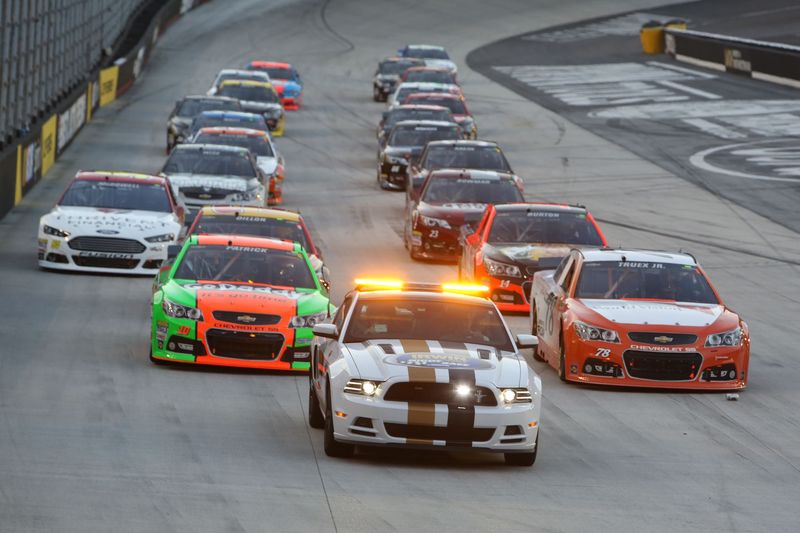



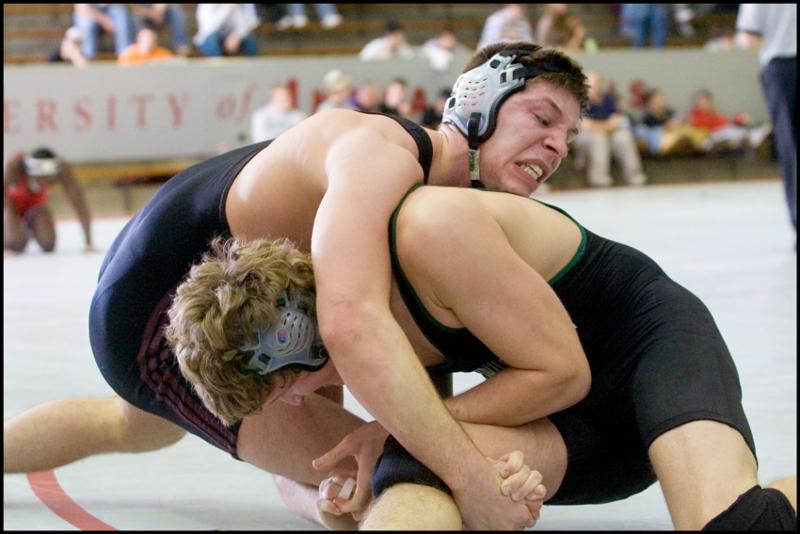
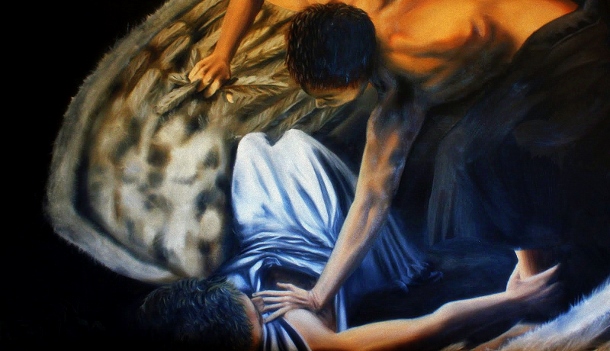
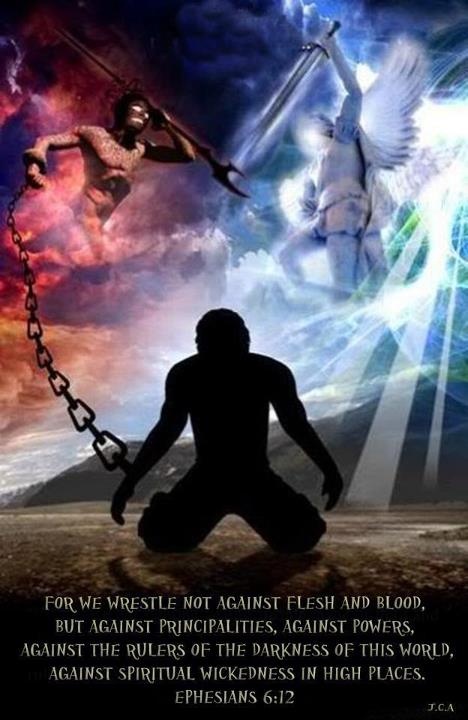






 Serenity is a state of being calm, peaceful, and untroubled.
Serenity is a by-product of trusting and acknowledging God and not
leaning to our own understanding. (Prov. 3:5-6) We trust that God is at
work both in and around us to address situations and bring them to
completion. (Phil. 2:13, 1:6) We cast the whole of our anxieties on
Him because we are in His care. (1 Peter 5:7) We have faith that He will
meet our needs as we prioritize His Kingdom. (Phil. 4:19; Matt. 6:33)
We know He works all things together for our good because we love Him
and are the called according to His purpose (Rom. 8:28).
Serenity is a state of being calm, peaceful, and untroubled.
Serenity is a by-product of trusting and acknowledging God and not
leaning to our own understanding. (Prov. 3:5-6) We trust that God is at
work both in and around us to address situations and bring them to
completion. (Phil. 2:13, 1:6) We cast the whole of our anxieties on
Him because we are in His care. (1 Peter 5:7) We have faith that He will
meet our needs as we prioritize His Kingdom. (Phil. 4:19; Matt. 6:33)
We know He works all things together for our good because we love Him
and are the called according to His purpose (Rom. 8:28). New Life Covenant's 2nd Anniversary
  A
holding pattern is a maneuver designed to delay an aircraft already in
flight while keeping it in a specified airspace. The aircraft have
arrived at its destination, but cannot land yet because of
traffic congestion, poor weather, or runway unavailability. Several
aircraft may fly in the same holding stack at lower speeds to save fuel,
separated vertically by 1,000 feet or more. New arrivals will be
added at the top. The aircraft at the bottom of the stack will be taken
out and allowed to make an approach first, and so on. Air Traffic Control controls the whole process.
A
holding pattern is a maneuver designed to delay an aircraft already in
flight while keeping it in a specified airspace. The aircraft have
arrived at its destination, but cannot land yet because of
traffic congestion, poor weather, or runway unavailability. Several
aircraft may fly in the same holding stack at lower speeds to save fuel,
separated vertically by 1,000 feet or more. New arrivals will be
added at the top. The aircraft at the bottom of the stack will be taken
out and allowed to make an approach first, and so on. Air Traffic Control controls the whole process.